How We Protect Your Plants — and the Bees
If you’ve spent any time in the gardening world lately, you’ve probably heard concerns about neonicotinoids and their impact on pollinators.
We care deeply about this conversation — because protecting pollinators, growing high-quality plants, and being transparent about our practices all go hand in hand.
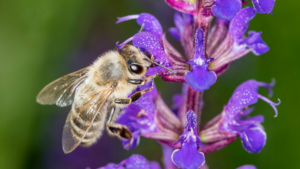
Why Pollinators Matter
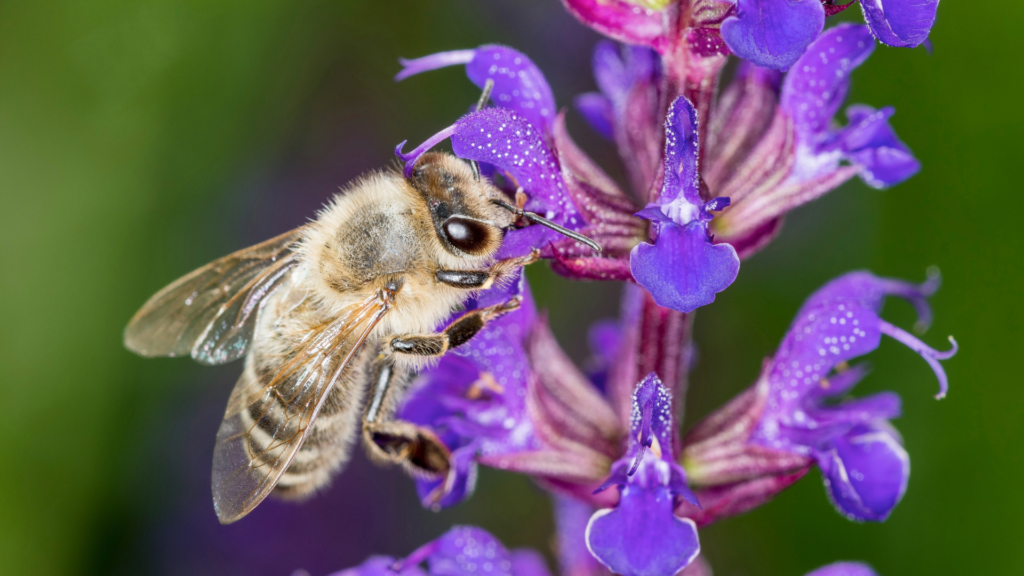
Pollinators are essential to thriving gardens, abundant flowers, and a healthy ecosystem.
They are responsible for:
- 1 out of every 3 bites of food we eat
- Healthier flower production
- Stronger ecosystems
They aren’t just part of the landscape — they’re part of the future of gardening.
That’s why the method used to grow plants matters.
Our Growing Philosophy: Start With Nature
Our first and primary line of defense against pests in the greenhouse is keeping our plants in good health! This is the first step to keeping insects and diseases out of the greenhouse, and out of your garden.
We regularly release beneficial insects — the good bugs — that naturally control the pests that can damage crops. These beneficial bugs allow us to manage insect pressure with minimal applications of traditional insecticides.
This proactive approach helps us grow strong, healthy plants while dramatically reducing chemical use. It’s better for the plants, better for the environment, and better for pollinators.
When Are Neonicotinoids Used
Our goal is always to rely on biological controls and low-impact methods first.
However, in rare, true emergency situations — when a severe pest outbreak threatens the health of an entire crop — we may make a targeted application of imidacloprid as a rescue treatment.
This means:
- It is not part of our standard growing program
- It is used only when absolutely necessary
- It is applied in the controlled greenhouse environment — not in your garden
- It allows us to save the crop and prevent significant plant loss
Without this option, entire crops — and all the water, energy, soil, and care that went into growing them — could be lost. That’s not sustainable either.
We do not apply neonicotinoids to plants in bloom or when pollinators are present.
A Responsible, Modern Growing Approach
This system is called Integrated Pest Management (IPM), and it is the gold standard in modern greenhouse production.
It means:
- Biological controls are our preferred tool
- Chemical tools are a last resort
- Every decision is made with environmental impact in mind
This approach allows us to greatly reduce overall pesticide use while still ensuring you receive strong, healthy, pest-free plants that are ready to thrive when they arrive at your home.
What This Means for Your Garden
By the time your plants reach your porch, they have been grown primarily using beneficial insects and careful crop monitoring.
They are intended to be planted in outdoor spaces where pollinators can safely visit and where your garden becomes part of a healthy, balanced ecosystem.
Grow With Confidence
We believe you deserve to know how your plants are grown.
Because informed gardeners make powerful choices — and together we can grow:
- healthier gardens
- stronger pollinator populations
- a more sustainable future
Shop With Pollinators in Mind
Shop Sun Annuals https://gardenfootprints.com/product-category/plants-for-sun/
Shop Shade Annuals https://gardenfootprints.com/product-category/plants-for-shade/
Explore Plant Care Tips https://gardenfootprints.com/tips-and-care/
Your garden — and the bees — will thank you.
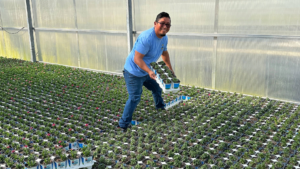
Here’s a behind-the-scenes look at how we get your plants from our greenhouse to your doorstep — fresh, healthy, and ready to thrive.
It Starts with Greenhouse-Fresh Plants
We ship our plants while they’re still actively growing and developing, rather than waiting until they are fully mature or in peak bloom.
Why? Because smaller, actively growing plants:
- Handle travel better
- Experience less breakage
- Establish faster in your garden
This means your plants arrive healthy, strong, and ready to take off once you plant them.
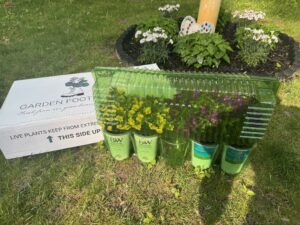
Our Custom Packaging: Designed for Live Plants
Shipping flowers isn’t like shipping a t-shirt and our packaging was built specifically for protecting your blooms during shipping.
Each plant is:
- Secured to protect the roots and soil
- Stabilized to prevent tipping or snapping
- Packed to protect blooms and foliage
Our proprietary shipping containers keep everything intact, clean, and protected, so when you open your box you’ll find happy plants, not a mess.
A Shipping Schedule That Protects Your Plants
We carefully plan our shipping days to avoid unnecessary time in transit.
- Orders are processed in 3–5 business days
- We ship Monday through Wednesday only with next day or 2-day air
- This prevents plants from sitting in a box over the weekend
Once your order ships, you’ll receive a tracking number by email so you can follow your plants’ journey home.
To keep transit time short and plant quality high, shipments are sent via expedited services (next-day or 2-day air).
Simple, Predictable Shipping Costs
We keep shipping straightforward with a flat-rate tiered system based on the number of plants, so there are no surprises at checkout.
This allows you to:
- Mix and match your favorites
- Plan your order easily
- Know your cost upfront
And every plant is priced consistently, making it even easier to design your dream garden.
Where We Currently Ship
We ship to the continental United States.
Due to agricultural and environmental regulations that are very restrictive, we do not ship to:
- California
- Alaska
- Hawaii
- International locations
Our Live Plant Promise
We work incredibly hard to make sure your plants arrive in excellent condition, and thanks to our packaging, it’s rare for there to be an issue.
If something doesn’t look right:
- Email us at hello@gardenfootprints.com within 48 hours of delivery
- Send photos of the plants and packaging
Our team will review everything and make it right.
What to Do When Your Plants Arrive
Your box has arrived — the best moment! Here’s what we recommend:
- Unpack your plants right away
- Place them where they’ll be planted
- Water as needed
- Let them acclimate briefly before planting
They can stay in their original containers for a short time, but planting soon will give them the best start.
Ready to Grow?
Your garden begins the moment you click “order.”
We’ll take care of the journey so you can enjoy the planting. Now get to shopping!