Pollinators are animals that help flowering plants reproduce.
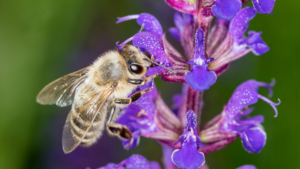
They move pollen from one flower to another, allowing the plant to produce seeds and often fruits. Think of them as nature’s delivery service between flowers.
What animals are pollinators?
There are more than just honeybees:
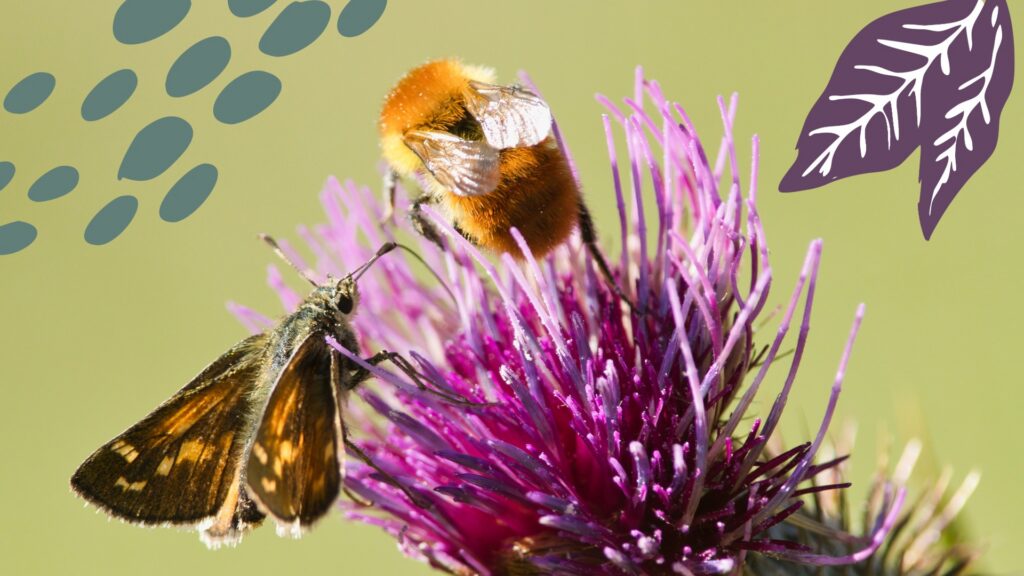
- Bees — honeybees, bumblebees, mason bees, sweat bees and many native bees
- Butterflies — including monarchs
- Moths — especially important for flowers that open or produce fragrance at night
- Hummingbirds and some other birds
- Beetles — actually among the oldest groups of pollinators
- Flies — including hoverflies, which can look a lot like small bees
- Wasps
- Bats — important pollinators in warmer climates, particularly for certain fruits and desert plants
Why are they so important?
Pollination is what allows many plants to make the next generation of plants. When a bee, butterfly or other pollinator visits a flower for nectar or pollen, pollen sticks to its body. When it visits the next compatible flower, some of that pollen gets transferred.
That seemingly little interaction has a huge ripple effect. Pollinators help:
Produce our food.
Many fruits, vegetables, nuts and seeds depend at least partly on animal pollination. Apples, blueberries, cherries, strawberries, squash, cucumbers, melons and almonds are familiar examples.
Maintain plant diversity.
Wildflowers and many other native plants rely on pollinators to reproduce. Those plants, in turn, provide food and habitat for wildlife.
Support the entire food web.
Pollinated plants produce seeds, berries, fruits and nuts that feed birds and other animals. Insects themselves are also an important food source for birds and other wildlife.
Keep ecosystems functioning.
Healthy populations of flowering plants help stabilize soil, cycle nutrients, provide habitat and contribute to diverse, resilient ecosystems.
And there’s an important distinction: pollinators aren’t simply “good bugs.” They’re a whole ecological group of animals performing the same essential job.
For a greenhouse like ours, this is also why practices such as protecting beneficial insects, avoiding unnecessary insecticide applications, and providing a variety of flowering plants can have an impact well beyond making a yard look pretty. A flower-filled patio or landscape can essentially become a little feeding station for pollinators.